Who are we?
An association from Casablanca, since 2017.
A word from the President
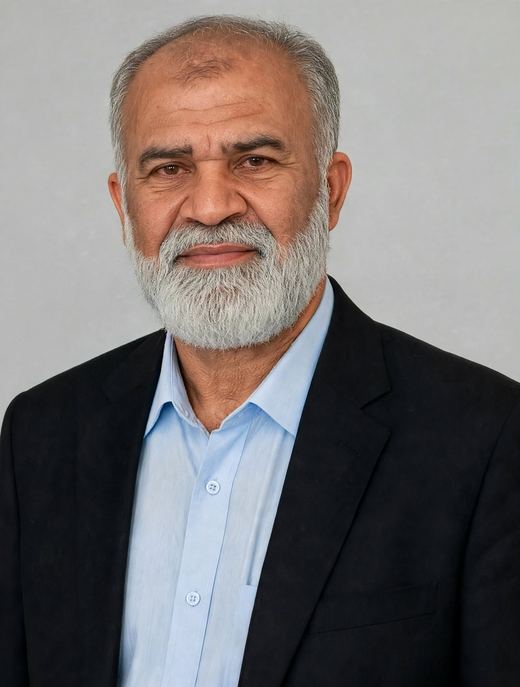
On behalf of the Moroccan Association for Autistic Children (AMEA), founded in 2017 in Casablanca, I thank you for the interest you take in our work.
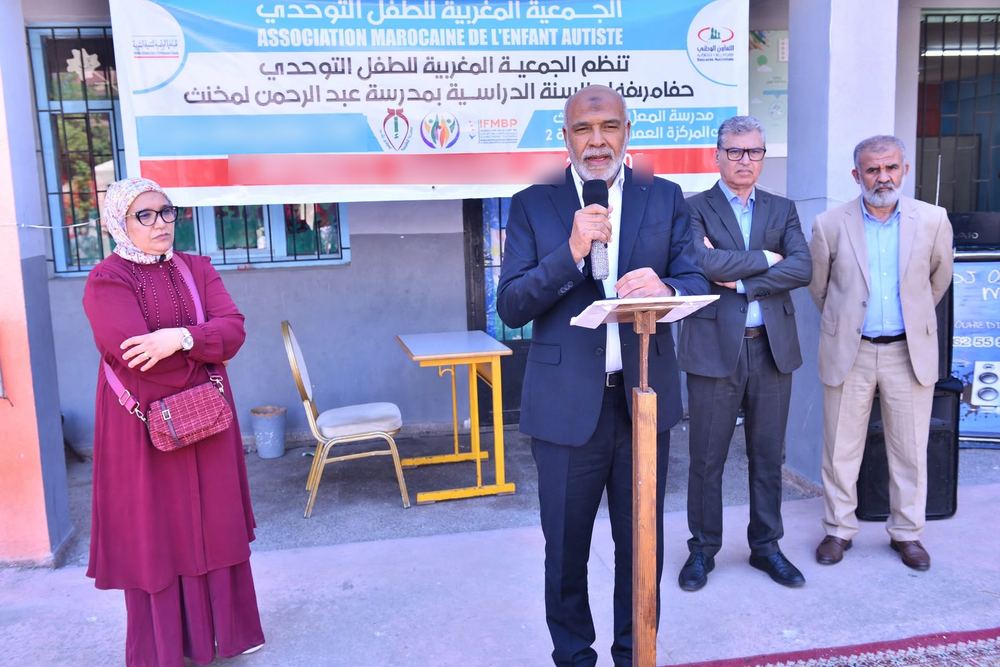
Every day, we support autistic children and their families with a deep conviction: autism is not a fate, but a difference that, when well supported, can become a strength. Our model, based on comprehensive educational and paramedical care, has already enabled dozens of children to find the path to independence, to school and even to a trade, thanks to our partners: the Wilaya of Casablanca – Moulay Rachid, which provides logistical support and has made a school bus available to us to ease the children’s mobility; and the Entraide Nationale and IFMBP, which enabled us to open vocational activity workshops for the children.
Today, we want to go further: to open other centres in Morocco and in Africa, where the need is immense and the provision non-existent. Your support is a Sadaqa Jariya (ongoing charity), a lasting investment in humanity.
With all my gratitude, and that of the whole association team, Driss Mounir, President of AMEA
Who are we?
AMEA is a non-profit association based in Casablanca. It is dedicated to the comprehensive care of children with autism spectrum disorder (ASD) and other mental and psychomotor disabilities. Since 2017, it has become a reference centre recognised by the Wilaya of Casablanca–Moulay Rachid.
The AMEA is constituted under the name "Association Marocaine de l'Enfant Autiste", under dahir n° 1-58-376 of 3 Joumada I 1378 (15 November 1958) regulating the right to form associations, as amended and supplemented by dahir n° 1-73-283 of 6 Rabiâ I 1393 (10 April 1973) and by law n° 75-00, promulgated by dahir n° 1-02-206 of 12 Joumada I 1423 (23 July 2002) and published in the Official Bulletin n° 5046 of 10 October 2002. Its duration is unlimited and its statutory seat is the Moulay Rachid Youth Forum. It is registered with the local authorities: definitive filing receipt n° 214 of the Hay Moulay Rachid administrative annex (Prefecture of the Moulay Rachid districts, Wilaya of the Casablanca-Settat region), issued on 27 April 2022, following the declaration of renewal of the Executive Board.
Our comprehensive approach: two units
Educational Unit
Promote independence, develop social skills, make integration into school and work easier.
Paramedical Unit
Psychomotor therapy, speech therapy, psychological support and guidance.
Our four pillars
Child development
Develop cognitive, motor and emotional abilities, and train in communication.
Family support
Support, train and raise awareness among parents, and fight vulnerability through income-generating projects and INDH.
Social inclusion
Make rights and duties known, run campaigns in schools (autism, Down syndrome, learning disorders) and open integration classes.
Institutional expansion
Create and manage social, educational, cultural and training centres in Morocco and in Africa, and conclude national and international agreements.
Executive board
Elected at the ordinary general assembly of 22 January 2022.
- President: Driss Mounir
- Vice-President: Khalid Taib
- Secretary General: Hamid Ghazali
- Deputy Secretary General: Abderrazak Karoui
- Treasurer: Abderrahman Nagam
- Deputy Treasurer: Mohamed El Houari
- Advisor: Jamal Eddine Bahrou
To be validated by the board members before publication
Partners and supporters
Wilaya of Casablanca–Moulay Rachid
Logistical support: provision of a school bus.
IFMBP
Casablanca Institute for Training in Bakery and Pastry Trades: partner of the vocational integration programme.
Our work contributes to the UN Sustainable Development Goals (health, quality education, decent work, reduced inequalities, partnerships) and draws on the WHO strategy on autism and the International Convention on the Rights of Persons with Disabilities.